About Blue Skink Tongue - Male Blue Tongue Skink
Product-specific details, care information, genetics, sizing, condition, or other information supplied with this listing.
Blue Skink Tongue – Male Blue Tongue Skink
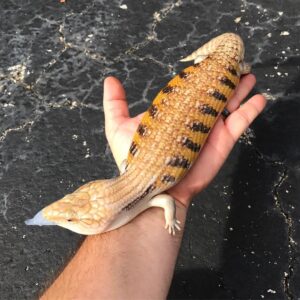
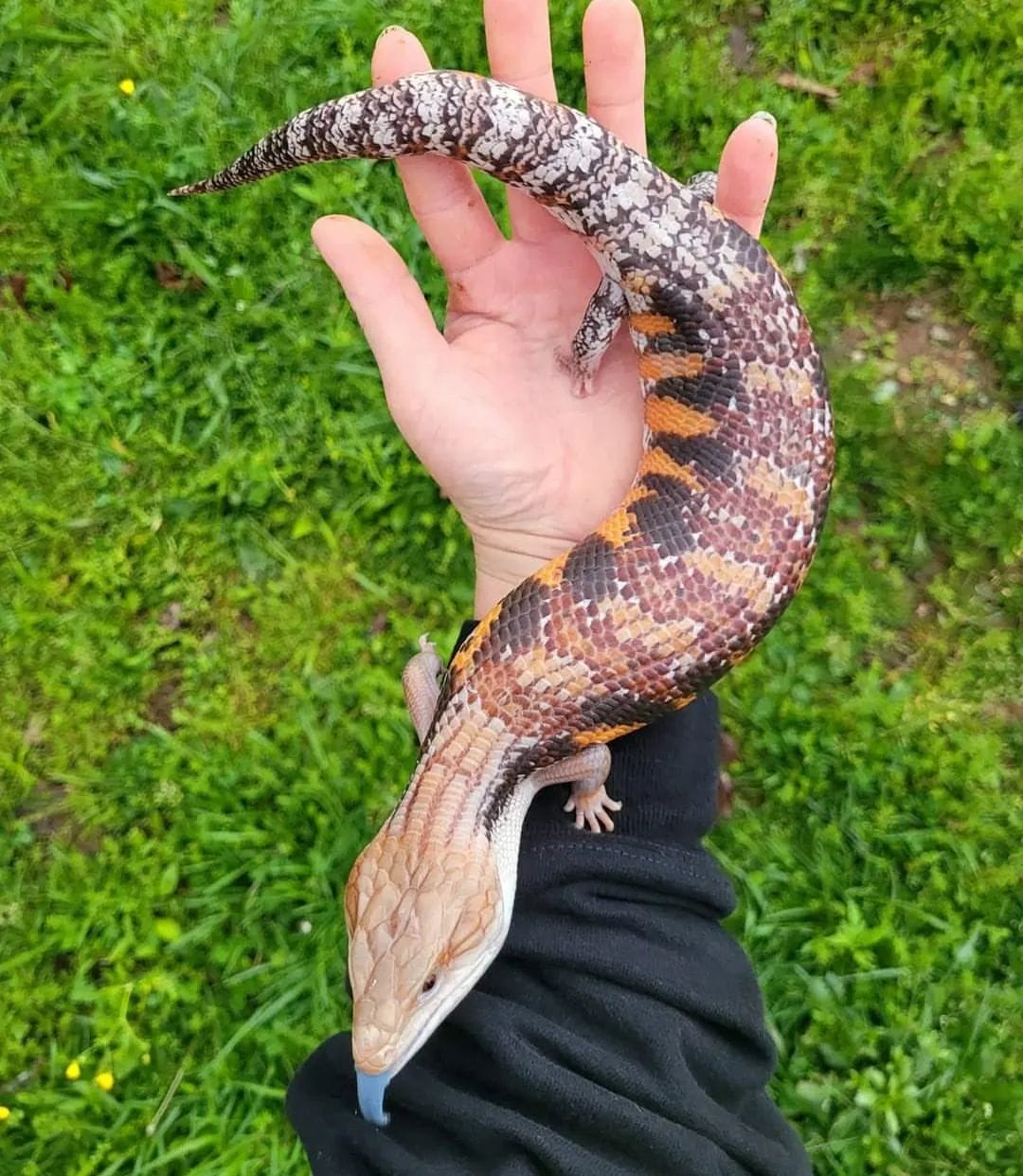
This Blue Skink Tongue product features a male Blue Tongue Skink currently available from Celestial Reptiles for $350. Blue Tongue Skinks are recognized for their broad bodies, smooth scales, strong limbs and vivid blue tongues.
This male accepts green beans, collard greens, dandelion greens and mustard greens as part of his current feeding routine. Blue Tongue Skinks are omnivores, so these vegetables should be incorporated into a varied diet that also provides appropriate protein and other suitable foods.
Contact Celestial Reptiles to confirm availability, request updated information or discuss eligible live animal delivery.
Male Blue Tongue Skink Details
Common name: Blue Tongue Skink
Alternative name: Blue Tongued Skink
Scientific classification: Tiliqua species
Sex: Male
Price: $350
Availability: Subject to current inventory
Seller: Celestial Reptiles
Accepted plant foods: Green beans, collard greens, dandelion greens and mustard greens
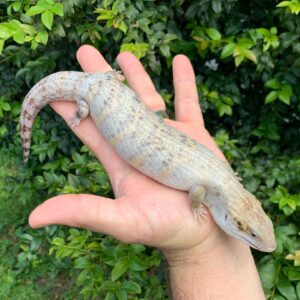
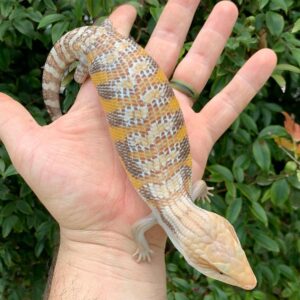
The product photograph represents the individually listed animal. Contact Celestial Reptiles if you require updated photographs, current measurements or additional information before ordering.
What Is a Blue Skink Tongue
Blue Skink Tongue is a search phrase commonly used when looking for the distinctive blue tongue displayed by a Blue Tongue Skink.
The proper common name for the animal is Blue Tongue Skink or Blue Tongued Skink. These reptiles belong to the genus Tiliqua.
Several Blue Tongue Skink species and regional varieties exist. A precise scientific species or locality should only be assigned when the animal’s background has been verified.
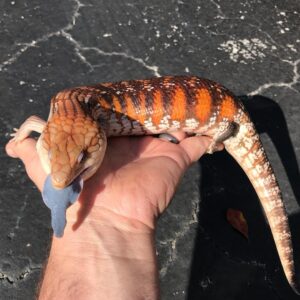
The blue tongue is one of the animal’s most recognizable features. A skink may open its mouth and display its tongue when it feels threatened or disturbed.
Blue Tongue Skink Appearance
Blue Tongue Skinks typically have broad heads, elongated bodies, smooth overlapping scales and relatively short legs.
Coloration and markings vary between species, localities and individual animals. Body colors may include gray, brown, cream, tan, orange or black accompanied by bands, blotches or other markings.
The vivid blue tongue creates a strong contrast with the inside of the mouth. This display may help discourage a perceived threat.
The product image should be used to evaluate this individual male rather than as an example of every Blue Tongue Skink.
Male Blue Tongue Skink for Sale
This animal has been identified as male and is currently listed for $350.
Buyers searching for a male Blue Tongue Skink should consider his individual appearance, accepted foods and long term care requirements before purchasing.
Availability can change if the animal is purchased or reserved. Contact Celestial Reptiles before ordering if confirmation that this exact male remains available is important.
Blue Tongue Skink Price
The current price for this male Blue Tongue Skink is $350. Any applicable live animal shipping charge should be confirmed separately unless otherwise stated during checkout or order confirmation.
Blue Tongue Skink prices may vary according to species, locality, age, sex, appearance and availability. The listed price applies specifically to the male presented on this page.
Prospective owners should also budget for an appropriately sized enclosure, thermostat, heating and UVB equipment, substrate, hides, food, supplements and veterinary care.
The animal’s purchase price is only one part of responsible long term ownership.
Current Accepted Foods
This male is reported to accept green beans, collard greens, dandelion greens and mustard greens.
These vegetables provide useful information about foods he currently accepts. They should be incorporated into a varied omnivorous diet rather than presented as his only foods.
Ask Celestial Reptiles about his complete current feeding routine before purchase. Continuing familiar foods during the initial adjustment period can help prevent unnecessary dietary changes after relocation.
Blue Tongue Skink Diet
Blue Tongue Skinks are omnivores and naturally consume both plant and animal material.
The Australian Museum Blue Tongue Lizard guide explains that Blue Tongue Skinks eat a variety of plant foods and slow moving animal prey.
The New South Wales Blue Tongue nutrition guide describes Blue Tongue Skinks as omnivores that require a mixture of vegetables and appropriate protein.
No single food provides complete nutrition. A varied feeding routine should be selected according to the animal’s age, condition, verified species and current needs.
Feeding and Hydration
Feeding portions and frequency should reflect the skink’s age, size, physical condition and established routine.
Fresh water should remain available in a stable dish. The water should be replaced regularly, and the dish should be cleaned before residue accumulates.
Food dishes should also be cleaned regularly. Uneaten perishable food should be removed before it spoils.
Calcium and vitamin supplementation should follow an informed husbandry plan rather than being applied randomly.
Safe Food Sourcing
Vegetables should be washed before use, and spoiled food should never be offered.
Wild insects, snails or slugs collected from gardens may have been exposed to pesticides, snail bait, parasites or other contaminants.
The Australian Museum warns that Blue Tongue Skinks may be poisoned after eating snails or slugs that have consumed snail bait.
Animal based foods should come from a safe and controlled source.
Preparing a Blue Tongue Skink Enclosure
A suitable enclosure should be completely prepared before this male arrives. Blue Tongue Skinks are primarily terrestrial reptiles and require substantial usable floor space.
The enclosure should provide secure housing, appropriate ventilation, controlled heating, suitable UVB lighting, multiple hides and clean water.
A properly prepared habitat should include a secure enclosure, thermostat regulated heating, reliable temperature measuring equipment, appropriate UVB lighting, a warm basking area, a cooler area, multiple hiding places, suitable substrate and a stable water dish.
The enclosure should be tested before the animal arrives so environmental problems can be corrected safely.
Heating and Temperature Management
Blue Tongue Skinks rely on environmental heat to regulate their body temperature. Their enclosure should provide warmer and cooler areas rather than one uniform temperature.
Heating equipment should be controlled with an appropriate thermostat. Temperatures should be measured using reliable digital equipment rather than estimated by touch.
Avoid uncontrolled drafts, prolonged direct sunlight and areas with frequent temperature fluctuations.
Heating equipment should be positioned to prevent direct contact or accidental overheating.
UVB Lighting
An appropriately planned indoor enclosure should provide suitable UVB lighting and a consistent day and night schedule.
UVB strength and placement depend on the enclosure design, distance from the basking area and whether mesh is positioned between the light and animal.
Follow the manufacturer’s positioning and replacement instructions. A UVB lamp can continue producing visible light after its useful UVB output has declined.
Hides and Substrate
A Blue Tongue Skink should have access to multiple secure hiding areas. At least one hide should be placed toward the warmer side and another toward the cooler side.
Substrate should support natural movement while remaining suitable for the enclosure’s environmental needs and cleaning routine.
Avoid unstable decorations, sharp objects and small openings where the skink could become trapped.
Humidity and Species Differences
Humidity requirements can vary among Blue Tongue Skink species and localities. Because this animal’s exact locality was not provided, the enclosure should not be configured using unverified assumptions.
Humidity should be measured rather than guessed. Conditions can then be adjusted using reliable care guidance and information about the individual animal.
Good ventilation remains important, and fresh water should always be available.
Handling and Adjustment
A newly arrived Blue Tongue Skink should be given time to settle into his enclosure before frequent handling begins.
When handling becomes appropriate, approach calmly and support the animal’s entire body. Blue Tongue Skinks have relatively heavy bodies and should not be allowed to dangle without support.
Never lift or restrain the skink by the tail. Handling sessions should remain gentle, controlled and close to a safe surface.
Every individual has a different temperament and adjustment period.
Responsible Long Term Care
A Blue Tongue Skink should be purchased as a long term responsibility. Prospective owners must be prepared to provide suitable housing, environmental control, varied nutrition, regular maintenance and veterinary care when needed.
Regular observation helps owners notice changes in appetite, activity, shedding, body condition or behavior.
Medical concerns should be evaluated by a veterinarian experienced with reptiles. The Association of Reptile and Amphibian Veterinarians directory can help owners locate a reptile veterinarian.
Ordering from Celestial Reptiles
This male Blue Tongue Skink is currently listed for $350. Availability may change, so buyers should confirm the animal before completing an order.
Contact Celestial Reptiles to confirm availability, request updated photographs, ask for current measurements, discuss his complete feeding routine or arrange eligible live animal delivery.
Live animal shipping depends on the destination, suitable weather and available transportation arrangements. Shipping should only be scheduled when conditions support the animal’s welfare.
Buyers are responsible for confirming that Blue Tongue Skink ownership is permitted in their location.
Frequently Asked Questions
What does Blue Skink Tongue mean
Blue Skink Tongue is a search phrase used when looking for a Blue Tongue Skink or information about its distinctive blue tongue.
How much is this male Blue Tongue Skink
This male Blue Tongue Skink is currently listed for $350. Any applicable live animal shipping charge should be confirmed separately.
Is this Blue Tongue Skink male
Yes. This individually listed Blue Tongue Skink has been identified as male.
What species is this Blue Tongue Skink
The animal is identified as a Blue Tongue Skink in the genus Tiliqua. A precise species or locality should not be assigned without verified background information.
What does this male Blue Tongue Skink eat
This male accepts green beans, collard greens, dandelion greens and mustard greens. Blue Tongue Skinks are omnivores, so his complete diet should also provide suitable variety and protein.
Can vegetables be his complete diet
No. The listed vegetables describe foods he accepts, but they should form only part of a varied omnivorous diet.
Will I receive the Blue Tongue Skink shown
This page is intended to represent the individually listed animal. Contact Celestial Reptiles to confirm current availability and request updated photographs before ordering.
Can this male Blue Tongue Skink be shipped
Shipping depends on destination eligibility, suitable weather and available live animal transportation. Contact Celestial Reptiles to confirm current options.
Buy This Male Blue Tongue Skink
This Blue Skink Tongue product features a male Blue Tongue Skink currently available from Celestial Reptiles for $350.
Contact us to confirm availability, request updated information, discuss his complete feeding routine or determine whether eligible live animal delivery is available to your location.
Prepare the enclosure and establish an appropriately varied omnivorous diet before ordering.